Hives (Urticaria)
Learn about hives causes, symptoms, triggers, and treatment options. Find relief from chronic or acute urticaria at Lovina Clinic.
Book Appointment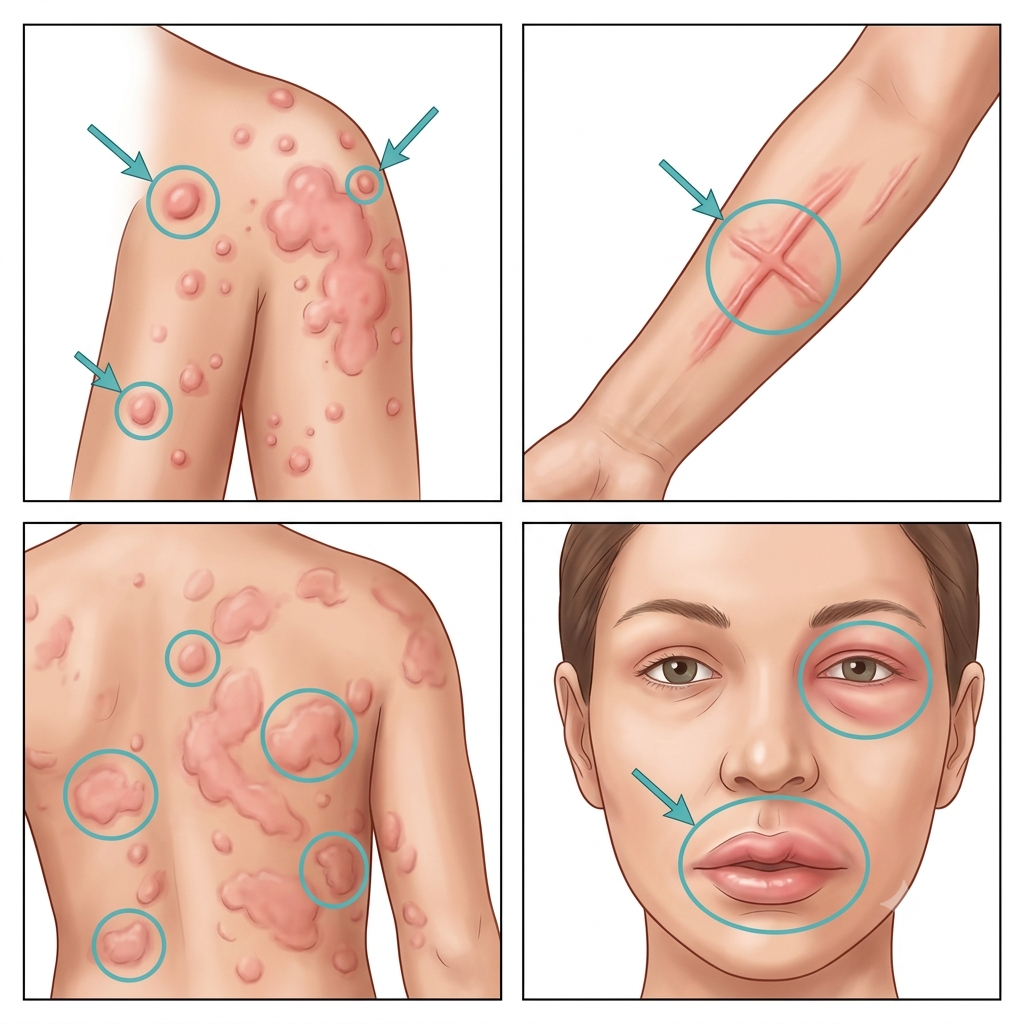
Disclaimer: All information and images are for educational purposes. Please consult a certified doctor for medical advice.
What Are Hives?
Hives, medically known as urticaria, are raised, red, itchy welts (wheals) that appear on the skin suddenly. They vary in size from small spots to large patches several inches across and can appear anywhere on the body. Individual hives usually fade within 24 hours, but new ones can appear as old ones resolve.
Hives are caused by the release of histamine and other chemicals from mast cells in the skin. This can be triggered by allergens, physical stimuli (pressure, cold, heat, sun exposure), stress, infections, or certain medications. When hives persist for more than 6 weeks, it is classified as chronic urticaria.
Common Symptoms
- Raised, red welts: Varying size from small spots to large patches.
- Intense itching: The primary symptom, often worse at night.
- Burning or stinging: Some people experience a burning sensation.
- Transient nature: Individual welts appear and fade within 24 hours.
- Angioedema: Swelling of deeper skin layers, often around the eyes, lips, hands, feet, and genitals.
How Hives Are Diagnosed
Your doctor will examine your skin and take a detailed history of your symptoms, including when they started, how long they last, and any potential triggers you have noticed. For chronic hives, you may be asked to keep a symptom diary. Blood tests and allergy testing may be recommended to identify underlying causes such as thyroid disease, autoimmune conditions, or specific allergens. In many cases, the exact cause of chronic hives remains unknown.
Hives Treatment Options
Treatment focuses on relieving symptoms and identifying triggers:
- Antihistamines: Prescription-strength antihistamines are the first-line treatment and are highly effective for most people.
- Corticosteroids: Short courses for severe flare-ups.
- Leukotriene receptor antagonists: May be used in combination with antihistamines.
- Biologics: Omalizumab is an injectable medication for chronic urticaria that does not respond to antihistamines.
- Trigger management: Avoiding identified triggers and irritants.
Common Hives Medications
- Oral antihistamines: Cetirizine, loratadine, fexofenadine, desloratadine, levocetirizine — available in prescription strength.
- H2 blockers: Ranitidine, famotidine — may be used alongside standard antihistamines.
- Oral corticosteroids: Prednisolone — short courses for acute severe flare-ups.
- Omalizumab (Xolair): Biologic injection for chronic spontaneous urticaria.
- Topical treatments: Calamine lotion, cooling creams — provide temporary relief from itching.
Lifestyle & Home Care for Hives
- Keep a diary: Track when hives appear and what you ate, wore, or were exposed to beforehand.
- Avoid triggers: Once identified, avoid known triggers such as certain foods, medications, heat, cold, or pressure on the skin.
- Cool compresses: Apply a cool, damp cloth to soothe itching.
- Loose clothing: Wear loose, soft fabrics to avoid triggering hives from pressure or friction.
- Stress management: Stress can trigger or worsen hives — incorporate relaxation techniques.
- Lukewarm baths: With colloidal oatmeal or baking soda to soothe the skin.
Frequently Asked Questions About Hives
Are hives contagious?
+How long do hives last?
+What causes chronic hives?
+Can stress cause hives?
+Suffering from Hives?
Find relief with expert care. Book an appointment at Lovina Clinic for a personalised treatment plan.
WhatsApp Us